We live in one of the most powerful periods in human history.
Yet the world has rarely felt harder to steer.
Governments can monitor, regulate, and project force on an unprecedented scale. Corporations influence supply chains, labor markets, and investment flows across the globe. Technology platforms shape the daily lives of billions.
Yet markets move. Narratives spread. Institutions react. Public behavior changes.
We can see power’s effects. Identifying what produced them is becoming far more difficult.
Governments exercise vast authority yet often struggle to shape public behavior. Corporations command enormous resources yet cannot fully control the markets, technologies, and social forces that shape their future. Even the most powerful organizations increasingly appear to be responding to events rather than directing them.
We have more information than any society in history, yet less agreement about what it means. We can communicate instantly across the globe, yet struggle to translate information into understanding, understanding into agreement, and agreement into action.
Perhaps the problem is that we continue to think about power as though it behaves the way it did in the past. The assumption was simple: power could be accumulated. Institutions gathered it. Wealth reinforced it. Authority legitimized it. Information strengthened it.
Power was something to acquire, preserve, and exercise.
Yet many of the institutions that appear powerful increasingly find themselves reacting to events they did not anticipate. Their authority remains intact. Their resources remain significant. What appears less certain is their ability to shape outcomes consistently.
Perhaps power did not disappear. Perhaps our assumptions about how power works are becoming less reliable.
The question is no longer simply who has power.
The question is how power moves.
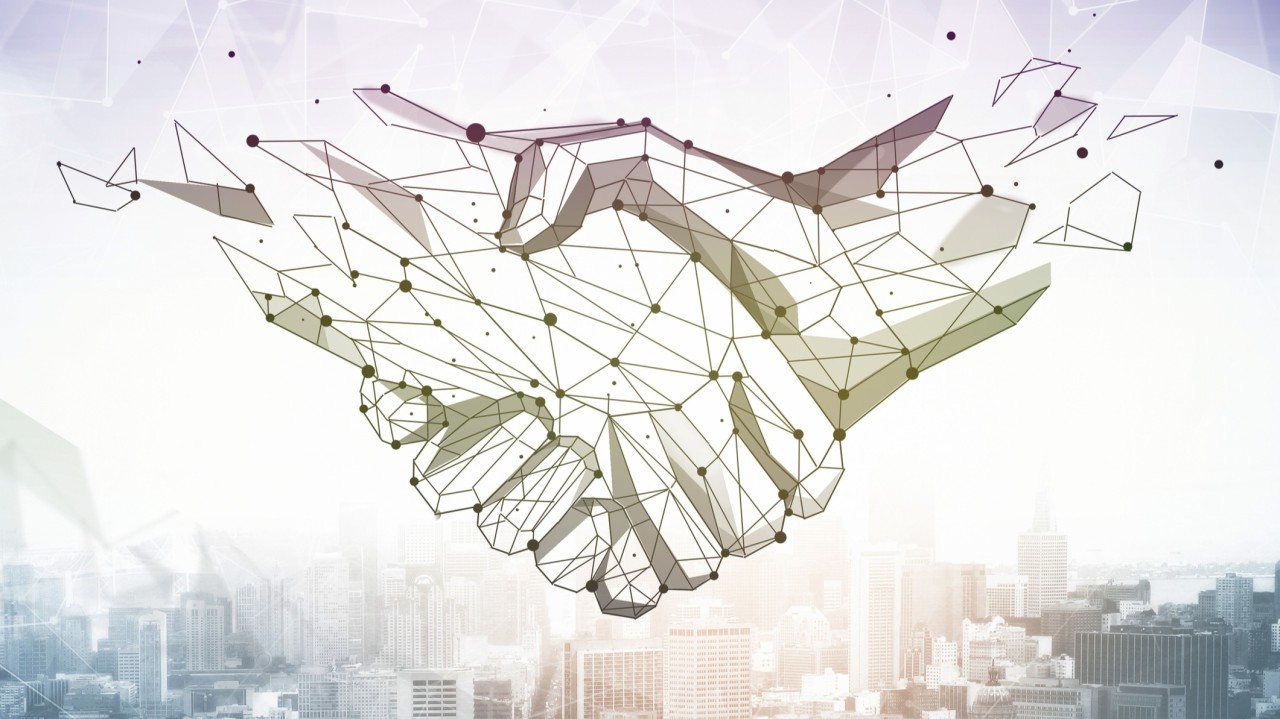
When Power Became a Flow
Power was easier to accumulate when information moved slowly. Information flowed through identifiable channels, giving institutions time to gather facts, establish context, and shape how events were understood. The friction created by gathering, verifying, distributing, and acting on information concentrated influence within institutions that possessed the resources and infrastructure to navigate those bottlenecks.
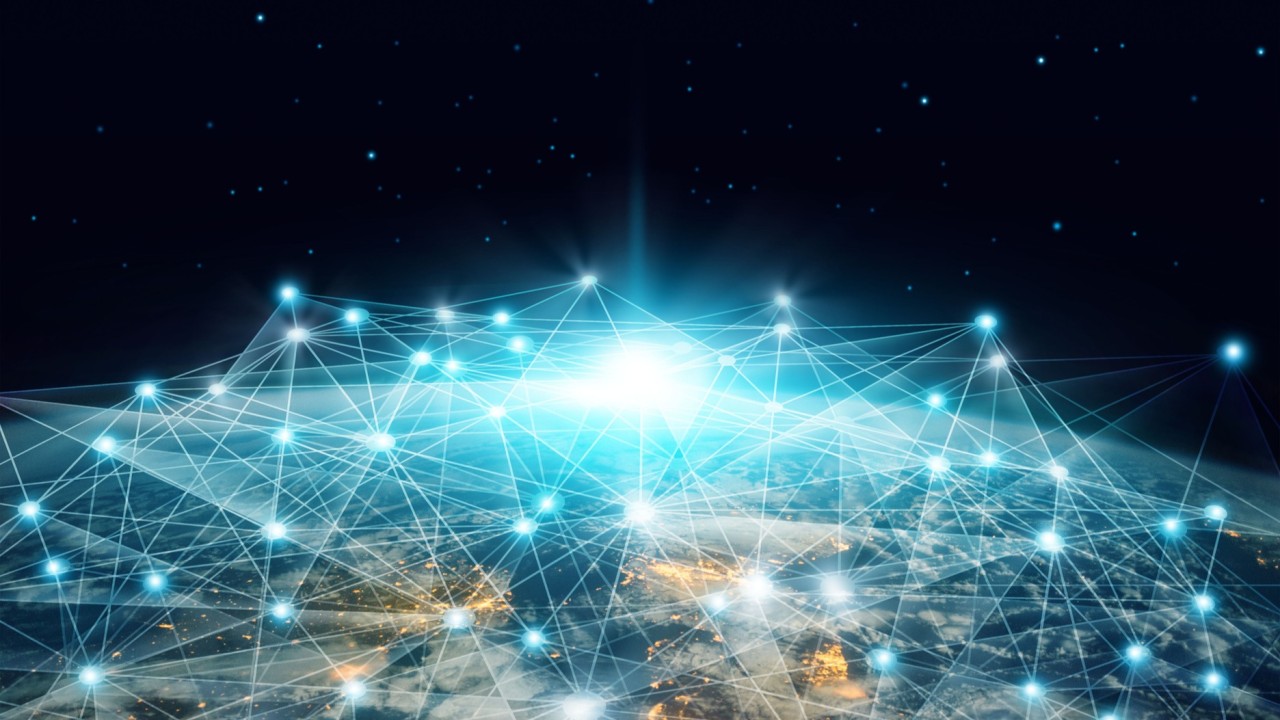
Today, those bottlenecks have largely disappeared. Information no longer behaves like a scarce resource that can be contained. It moves continuously across networks at extraordinary speed.
As information became a flow, power increasingly became one as well.
Both information and power behave differently in a flow than they do in a channel.
A newspaper article remained largely unchanged from editor to reader. A broadcast reached millions of people in essentially the same form. Today’s information environment operates differently. Information is shared, commented on, reframed, edited, amplified, challenged, and repurposed as it moves. By the time it reaches its tenth, thousandth, or millionth interaction, it may bear little resemblance to where it began.
Information no longer travels intact. It changes as it moves, and in the process, meaning can become increasingly detached from origin, context, or even truth.
Power increasingly behaves the same way. It forms around attention, belief, legitimacy, and coordination. As those conditions shift, power can concentrate rapidly, dissipate unexpectedly, and reappear in places that were previously peripheral. Power no longer just resides within institutions. Increasingly, it moves through their interactions.
Power did not disappear.
What changed were the conditions under which it operates.
Power once appeared relatively fixed. It accumulated within institutions and followed pathways that were visible enough for people to understand. Today, those pathways are less certain. Power can emerge and shape outcomes before established institutions have time to respond.
Authority once shaped the flow.
Today, it competes within it.
Power increasingly follows attention, interpretation, and belief. It accumulates around the forces that determine what people notice, what they believe, and how they act. As those forces shift, power shifts with them.
But flows are difficult to control. The same forces that can mobilize collective action can also accelerate division and confusion. Outcomes depend not only on what people know, but on how they interpret events and act upon them.
The result is a paradox. The forces shaping society move faster and farther than ever before, yet shared understanding and coordinated action often prove more difficult to achieve.
As power increasingly flows through networks rather than hierarchies, it becomes harder to locate. It appears in unexpected places, moves through unfamiliar channels, and often emerges outside the institutions where we have traditionally looked for it.
The challenge may not be that power has become less stable. It may be that the map we use to locate it no longer matches the terrain.
When power appeared relatively fixed, it could be accumulated, measured, and contained.
When power flows, understanding where it is moving may matter more than knowing who possesses it.
The New Scarcity
People may not have liked where power resided, but they generally knew where to find it. Governments, corporations, financial institutions, and media organizations served as recognizable centers of influence. Power provided a map. The map was often contested, sometimes unfair, and never complete. Still, it offered a shared understanding of where decisions were made, how influence operated, and who could shape outcomes.
Today’s environment feels different.
Power has not disappeared, yet it often appears less anchored than before. It emerges through networks, platforms, markets, communities, technologies, and information flows that are constantly shifting. The result is not necessarily less power. There is less certainty about where power resides, how it operates, and who can ultimately shape outcomes.
That uncertainty may be the deeper scarcity emerging beneath the surface.
Stable reference points have become harder to find. The challenge is no longer simply understanding who can influence outcomes or where decisions are being shaped. It is anticipating how power will move and where it will concentrate next.
Predictability itself is becoming scarce.
We often see the effects of power without fully understanding where they originate. Markets move. Narratives spread. Organizations change course. Public behavior shifts. Yet the mechanisms driving those outcomes are often harder to identify than they once were. Power remains visible. Its location is less clear.
Perhaps instability is not the defining characteristic of our era. Perhaps uncertainty is.
Information remains abundant. Predictability does not.
Access to more information than at any point in history has not necessarily made power easier to understand. We can observe its effects while remaining uncertain about where it resides, how it is moving, and what it may do next.
Societies, institutions, and individuals have always depended on some ability to anticipate how decisions will be made and how outcomes will be shaped.
When that ability becomes scarce, orientation becomes a source of advantage.
A New Mental Model
We spend considerable energy debating who holds power: governments, corporations, technology platforms, wealthy individuals, and, increasingly, artificial intelligence. Yet the more important question may be whether we are witnessing a transformation in power itself.
The old model assumed power could be accumulated. The emerging model suggests power increasingly behaves like a flow, concentrating, dispersing, and reassembling as conditions change. The challenge is no longer simply identifying who has power. The challenge is understanding how power moves.
When power behaves like a possession, the goal is accumulation. When power flows, the goal is orientation. For centuries, the challenge was acquiring power. The emerging challenge may be understanding where it is moving. If power increasingly behaves like a flow rather than a possession, the most important question is no longer who has power. It is whether we can recognize where power is going before it arrives.
If power is no longer something to accumulate, but something to understand and navigate, what does that mean for leadership, institutions, strategy, and society?