Trust was never just a feeling. It was an invisible form of infrastructure. It allowed strangers to cooperate, institutions to coordinate, markets to exchange value, and societies to grow more complex without requiring every interaction to begin with proof. Because it worked so well, most of us hardly noticed it.
What made that possible was not trust alone. Society itself performed much of the work required to build confidence. Over time, societies developed ways to determine which claims deserved confidence. Consistency, evidence, and expertise mattered. Institutions, science, journalism, law, and even tradition helped determine where confidence could reasonably be placed. No single filter was perfect, but together they created enough confidence for trust to emerge.
Today, that arrangement is changing.
Increasingly, we verify before we believe. We compare sources, authenticate identities, question digital media, and evaluate competing claims before deciding where to place our confidence. These habits are often described as growing skepticism, but they reflect something deeper. We are adapting to a world in which building confidence requires far more effort than it once did.
The reason is not simply that people or institutions have become less trustworthy. Rather, the environment that once allowed confidence to accumulate naturally has changed. Information moves faster than our ability to interpret it. Artificial intelligence can produce convincing text, images, and voices in seconds. Institutions compete for attention as much as credibility, while digital platforms amplify speed and engagement over deliberation. The familiar pathways through which society once built confidence no longer align.
Verification has become our response to uncertainty. It does not determine truth, nor does it create trust. It informs how we choose to place our confidence. Trust emerges only when confidence is repeatedly validated over time.
We are not simply learning to verify more. We are learning how to establish confidence under entirely new conditions.
When Confidence Became Work
For most of modern history, confidence came inexpensively. Institutions, professions, and accepted methods of establishing knowledge absorbed much of that work before it ever reached us. We trusted our physicians because their expertise was developed over decades within stable professional institutions. We trusted newspapers because editors filtered information before publication. We trusted banks because years of consistent performance created confidence that tomorrow would resemble yesterday.
Verification certainly existed, but much of it remained behind the scenes because institutions performed most of the work before information reached us. That arrangement is beginning to disappear.
Today, we compare multiple news sources, authenticate digital identities, examine product reviews, confirm professional credentials, and increasingly question not only what is being claimed but how the claim can be supported. Extending confidence has become more expensive because verification has become embedded in everyday decision-making.
The important change is not technological. It is structural. It is who performs the labor of building confidence.
Confidence once reduced complexity because trusted systems absorbed uncertainty. Today, verification adds complexity because individuals increasingly take on that work themselves before extending confidence.
Every additional check requires more information, more interpretation, and more attention. Decisions that once happened almost automatically now demand deliberate judgment. The invisible work once performed by institutions increasingly falls to individuals.
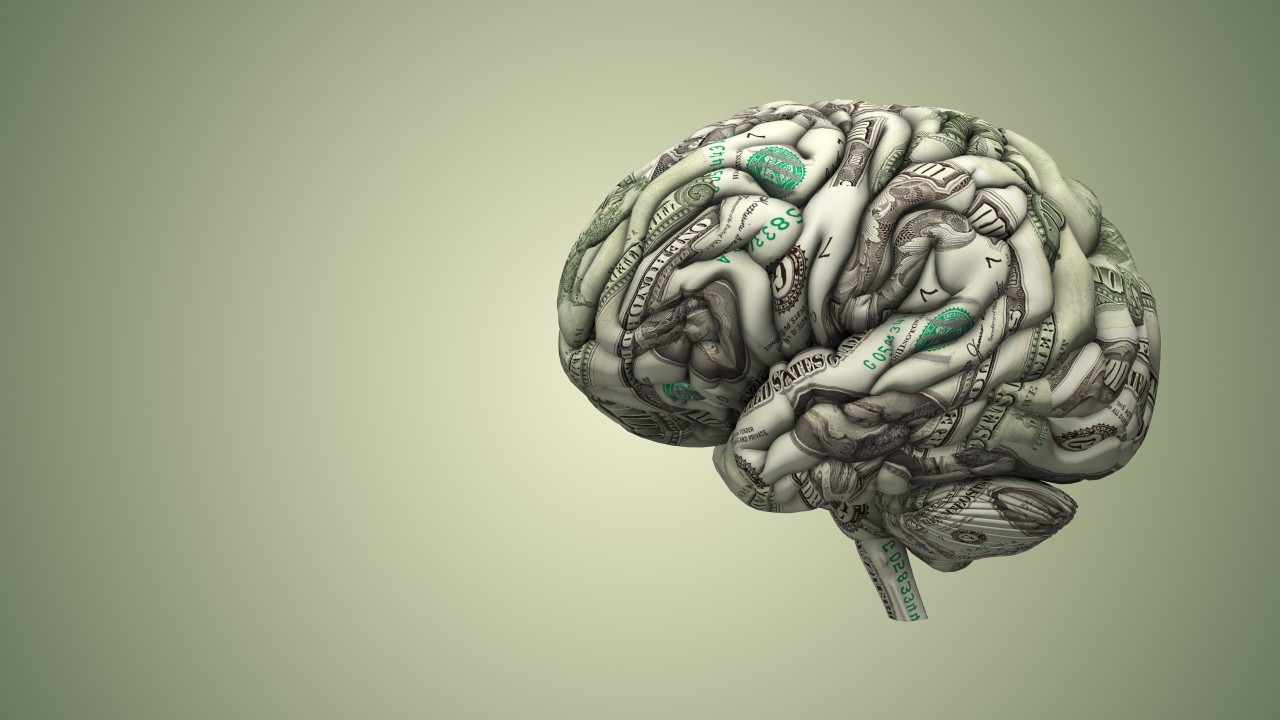
Confidence has become cognitive labor. Before extending confidence, we compare sources, evaluate competing claims, authenticate identities, interpret evidence, and decide what deserves our attention. Much of this work happens silently dozens of times each day.
Perhaps this explains why so many people feel mentally exhausted despite unprecedented access to information. Our fatigue comes not simply from processing more information, but from continually deciding what deserves our confidence.
We are doing more of the work that institutions once performed on our behalf to create confidence.
The New Architecture
Artificial intelligence is accelerating this transition.
Large language models can produce persuasive writing, realistic images, convincing voices, and increasingly sophisticated reasoning. The challenge is no longer simply distinguishing truth from falsehood, but understanding origin. Who created this? Has it been altered? Can it be authenticated? Only then can we decide whether it deserves our confidence.
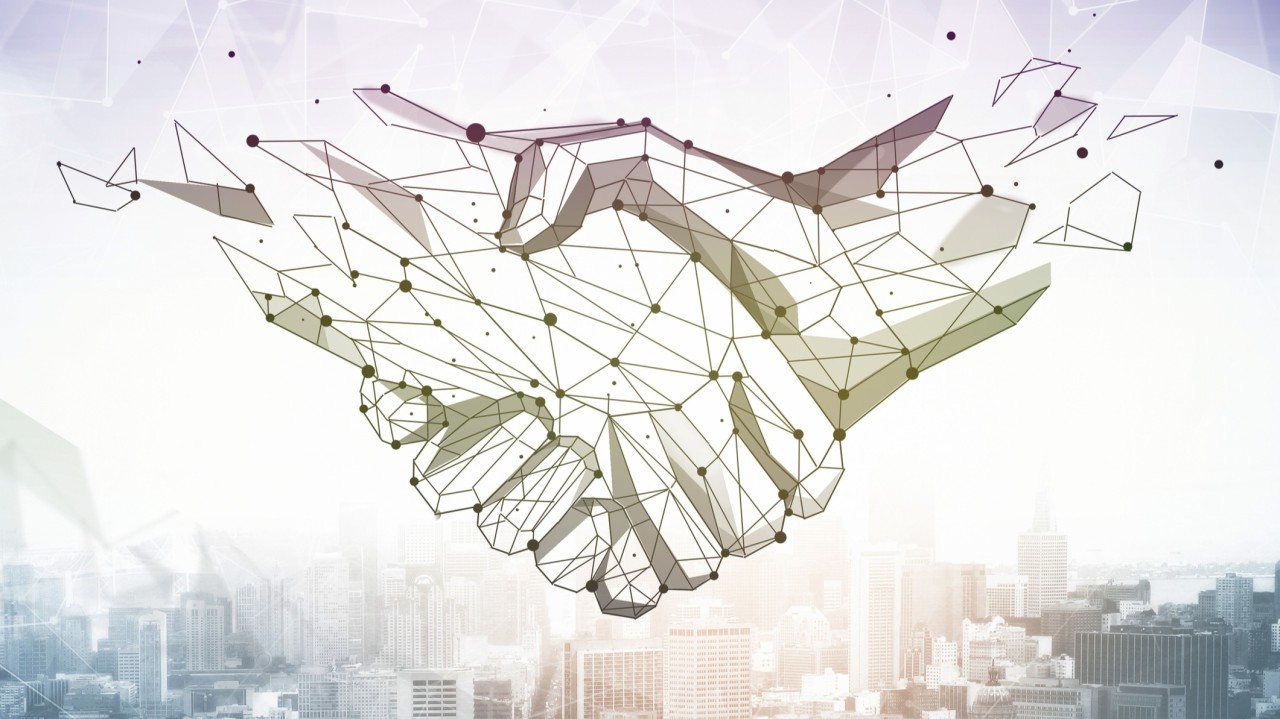
The same technologies often blamed for eroding trust may also become the tools that help rebuild confidence. Digital signatures, cryptographic identity, authenticated media, distributed ledgers, and explainable artificial intelligence all seek to make evidence more transparent and claims more interpretable.
Technology is not replacing trust. It is changing how confidence is built—and where we choose to extend it.
Yet verification alone cannot build confidence. A society built entirely on verification risks becoming one of perpetual skepticism. Relationships cannot flourish if every promise demands proof. Innovation slows when every new idea requires exhaustive validation before anyone is willing to act. Organizations become paralyzed when procedures replace judgment.
The challenge is no longer choosing between trust and verification. It is learning how verification, institutions, technology, and human judgment work together to build confidence.
In many ways, the transition resembles solving a Rubik’s Cube. Every turn brings one way of building confidence into alignment while disrupting another. Faster access to information can make shared understanding more difficult. Artificial intelligence can strengthen our ability to verify some claims while making others harder to authenticate.
Unlike a Rubik’s Cube, however, society has no final solved state. The colors keep changing even as we try to align them. Technologies evolve, incentives shift, and new forms of evidence emerge while older forms lose influence. Building confidence becomes a continuous process of adaptation rather than a problem solved once and for all.
That is why the future will depend less on choosing between trust and verification and more on learning how to build confidence under entirely new conditions. We will need systems that make complexity more understandable, align evidence with interpretation, and allow confidence to grow without demanding certainty.
Every era of increasing complexity has required a new architecture for building confidence. Artificial intelligence, autonomous systems, and globally connected digital networks will require one as well.
We often describe this moment as a crisis of trust. It may be something more fundamental. It may be the beginning of a civilization, learning how to build confidence differently.
Wherever confidence is repeatedly earned, trust naturally emerges. What has changed is not the importance of trust, but who performs the work required to create the confidence from which it grows. For much of modern history, institutions carried much of that responsibility. Increasingly, it belongs to each of us.
The rising cost of confidence is not that it has become harder to earn. It is that the labor required to build it increasingly belongs to us.